Built for the Gulf Coast: How to Get a Roof Installed That Survives the Southern Climate
Having a roof installed that survives the southern climate requires selecting hurricane-rated materials like fortified architectural shingles or metal, ensuring expert installation techniques like six-nail patterns and sealed roof decks, and hiring a certified, local roofing contractor with proven experience in Gulf Coast weather conditions.
Your Southern Home Deserves a Roof Built to Last
Living anywhere from New Orleans to Fort Myers means you understand the rhythm of the seasons in a unique way. It’s the long, humid summers that press down on your air conditioner and the anxious quiet before a storm rolls in from the Gulf. You see neighbors dealing with leaks after a heavy rain, or worse, significant damage after a hurricane. That constant worry about your home’s first line of defense—your roof—is a heavy burden. For over 22 years, Vinyltech has been the trusted roofing contractor for homeowners across Louisiana, Florida, and Alabama, and we understand that a roof in our region isn’t just a feature; it’s a shield.
This guide is for you. We’ll walk you through the critical elements of having a storm-resistant roof installed that can truly survive the southern climate. It’s about more than just shingles; it’s about securing your home, protecting your family, and making a wise investment that brings you peace of mind, season after season.
Key Takeaways
- The Southern Climate is a Triple Threat: Your roof must withstand hurricane-force winds, intense UV radiation and heat, and relentless year-round humidity.
- Materials Matter Most: Standard shingles often fail. Fortified architectural shingles and metal roofing are specifically designed for the wind, rain, and sun exposure common on the Gulf Coast.
- Expert Installation is Non-Negotiable: The best materials will fail if not installed correctly. Proper nailing, sealed underlayments, and reinforced edges are critical for storm resilience.
- Your Contractor’s Roots are Crucial: Choosing a local, certified roofing contractor with a long-standing reputation is your best defense against shoddy work and “storm chaser” scams.
The Triple Threat: What Your Southern Roof Is Really Up Against
To understand the solution, we first have to respect the problem. A roof on the Gulf Coast isn’t just battling rain; it’s fighting a war on three fronts, 365 days a year. As certified hurricane response specialists, we’ve seen firsthand what happens when a roof isn’t prepared for this fight.
Challenge #1: Hurricane-Force Winds and Driving Rain
When a hurricane makes landfall, it’s not just the wind speed you see on the news. It’s the phenomenon of wind uplift. As high-speed winds travel over your roof, they create a pressure difference that can literally rip shingles from the decking. This is a major concern for homeowners in vulnerable areas like Panama City, FL and Lake Charles, LA.
This is often followed by torrential, wind-driven rain that moves sideways and even upwards, forcing its way under any compromised shingles or flashing. This is how a small amount of wind damage can quickly lead to massive interior leaks and costly structural damage. Preparing your home for the 2025 hurricane season starts with a roof built to defy these forces.
Challenge #2: Relentless UV Rays and Searing Heat
The beautiful southern sun is also one of your roof’s greatest enemies. The constant, intense UV radiation breaks down the petroleum base in standard asphalt shingles over time. This process, known as photo-oxidation, causes shingles to lose their flexibility, become brittle, and eventually crack.
Simultaneously, a dark, poorly ventilated roof absorbs this solar energy, acting like a giant heat sink. This can raise attic temperatures to over 150°F, forcing your HVAC system to work overtime and driving up your energy bills. This is why a “cool roof” strategy, combined with energy-efficient windows, is essential for keeping a New Orleans home comfortable in August.
Challenge #3: Year-Round Humidity and Moisture
The Gulf Coast’s signature humidity creates the perfect breeding ground for algae, mildew, and mold. Those unsightly black streaks you see on many roofs are typically caused by an algae called Gloeocapsa magma. While primarily an aesthetic issue, it can trap moisture against the shingles.
More dangerously, this constant moisture can become trapped in a poorly ventilated attic. This leads to condensation on the underside of your roof deck, which can cause the wood to rot from the inside out—a hidden, silent problem that can compromise your entire roof structure.
The Anatomy of a Storm-Resistant Roof for Louisiana, Florida, and Alabama
A roof that can withstand the southern climate is not a single product, but a complete system. Every component, from the material you see to the nails you don’t, must work together. As your local New Orleans roofing contractor, we build these systems every day.
It Starts with the Right Materials
Choosing the right primary material is the most important decision you’ll make. Standard, lightweight 3-tab shingles are simply not sufficient for our region.
| Feature | Standard 3-Tab Shingles | Fortified Architectural Shingles |
|---|---|---|
| Wind Rating | Typically 60-70 mph | 110-130 mph+ |
| Construction | Single flat layer | Laminated, multi-layer, heavier |
| Adhesion | Standard sealant strip | Enhanced, wider sealant strip |
| Lifespan | 15-20 years | 30-50 years |
| Appearance | Flat, uniform look | Dimensional, textured look |
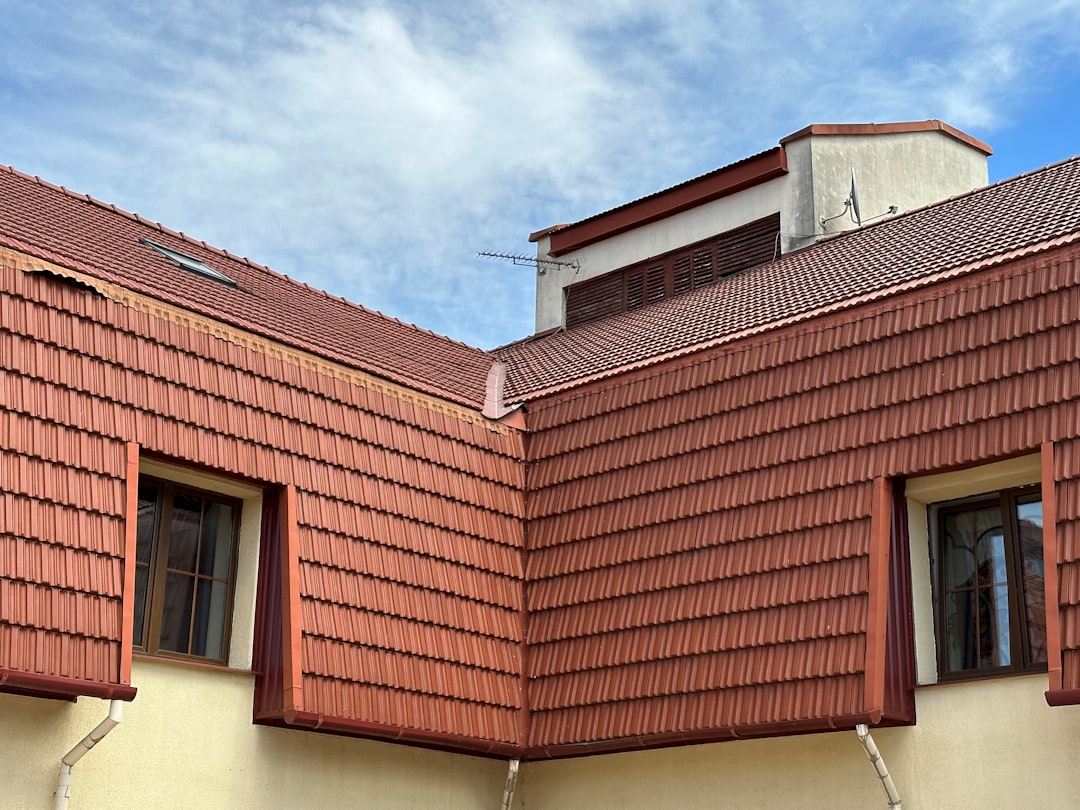
- Fortified Architectural Shingles: These are the modern standard for a reason. Their heavier weight and layered construction provide superior resistance to wind uplift. They are specifically designed for high-wind zones and are a core component of any storm-resistant roofing system.
- Metal Roofing: For ultimate durability and longevity, metal is an exceptional choice for coastal Florida and Louisiana homes. It offers one of the highest wind-resistance ratings available, is impervious to rot and insects, and its reflective properties make it incredibly energy-efficient, helping to lower cooling costs.
- Specialized Underlayment: Think of this as your roof’s last line of defense. A high-quality synthetic or self-adhering “peel and stick” underlayment acts as a secondary water barrier. If a shingle is ever blown off, this layer can prevent water from pouring into your home.
Installation Techniques That Make the Difference
The best materials in the world will fail if installed by an inexperienced crew. The difference between a roof that lasts 30 years and one that fails in the first storm often comes down to these details:
- Proper Nailing: In high-wind zones like ours, using six nails per shingle instead of the standard four is crucial. Nail placement is just as important; they must be driven straight and flush into the correct location on the shingle to ensure maximum holding power.
- Sealed Roof Deck: A modern best practice involves applying a special tape over the seams of the plywood roof deck. This technique, often required by fortified building programs, can prevent catastrophic water intrusion even if the main roofing and underlayment are compromised.
- Reinforced Edges and Valleys: The perimeter of your roof (the eaves and rakes) and the valleys where two roof planes meet are the most vulnerable to wind uplift and water intrusion. A professional roofing contractor will use specialized starter strips, extra flashing, and often a layer of ice and water shield in these critical areas.
Don’t Forget Ventilation: Your Roof’s Secret Weapon
A properly ventilated roof is a healthy roof. A balanced system of intake vents (at the lower edge, or soffit) and exhaust vents (at the peak, or ridge) allows cool, dry air to enter the attic and push hot, moist air out. This continuous airflow is your roof’s secret weapon, providing two key benefits:
- Lowers Energy Bills: It prevents the attic from becoming an oven, reducing the load on your AC.
- Extends Roof Life: It keeps the roof deck dry, preventing rot and helping shingles last longer by keeping them cooler.
Why Your Choice of Contractor is Critical on the Gulf Coast
After a major storm, our communities are often flooded with two things: water and out-of-state roofing companies. Understanding the difference between a temporary “storm chaser” and a dedicated local partner is vital for your home’s long-term safety.
The “Storm Chaser” Problem vs. A Trusted Local Partner
“Storm chasers” are contractors who follow severe weather events, going door-to-door offering quick, cheap repairs. They often use subpar materials and unskilled labor to maximize profits. The real problem arises a year or two later when their poor workmanship fails. By then, their truck is gone, their phone number is disconnected, and you’re left with no warranty and an even bigger problem.
A trusted local partner like Vinyltech has a physical presence and a 22-year reputation to uphold in communities like New Orleans and Fort Myers. We live here, our kids go to school here, and we’ll be here to stand behind our work long after the storm has passed.
Look for Certifications: What “Hurricane Response Specialist” Means for You
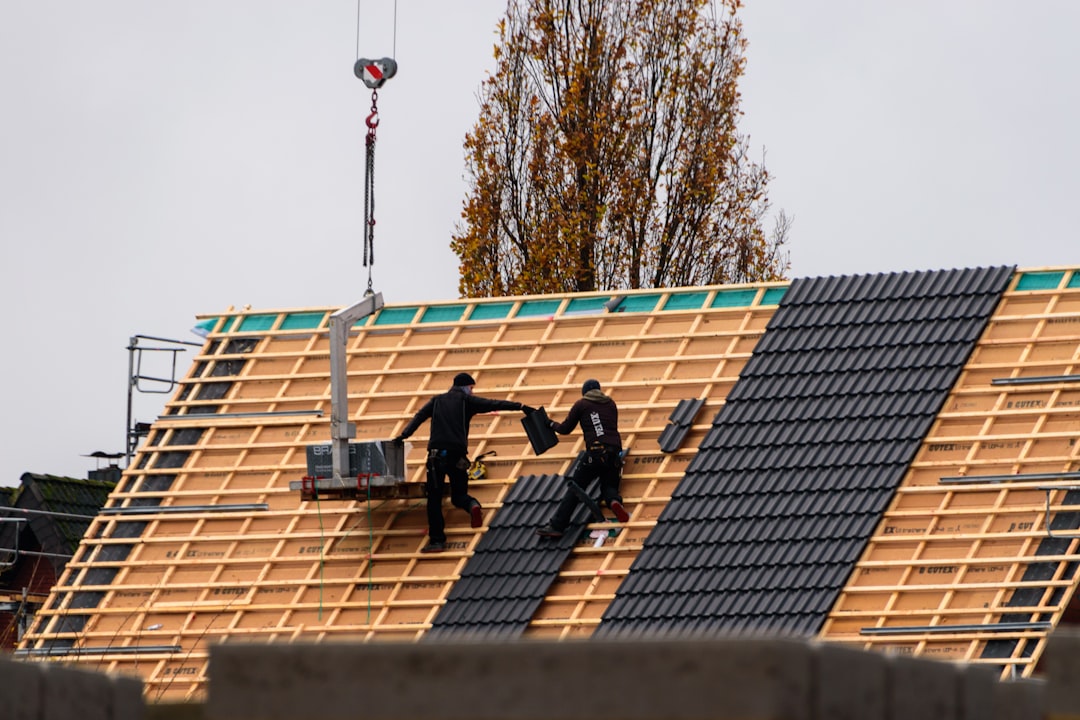
When you see that Vinyltech is a team of certified hurricane response specialists, it’s not just a title. It means our crews have undergone specific training in the advanced methods and materials required to build a roof that meets and exceeds the stringent building codes of coastal regions. It’s a verifiable credential that demonstrates a commitment to building for resilience. Before hiring anyone, be sure to ask the right questions of your roofing contractor.
Local Code and Insurance Know-How
Building codes in coastal Louisiana, Florida, and Alabama are often stricter than in other parts of the country for good reason. A local expert understands the specific requirements for your municipality. Furthermore, we can help you navigate the insurance process and ensure your new roof is documented correctly. A properly installed, fortified roof can sometimes even lead to discounts on your homeowner’s insurance premiums.
The Vinyltech Advantage: A Roof Installed with 22+ Years of Southern Expertise
Everything we’ve discussed—the right materials, the expert techniques, the local knowledge—comes together in the service we provide. We’ve built our business on protecting our neighbors’ homes.
We Are Your Neighbors
For over two decades, we’ve been the go-to roofing company in Fort Myers, New Orleans, Lake Charles, and Panama City. We have weathered the same storms and understand the unique challenges of protecting a home on the Gulf Coast because it’s our home, too.
Storm-Resistant Roofing is Our Specialty
As certified hurricane response specialists, we don’t just install roofs; we install complete roofing systems engineered to protect your family and property. From our initial drone-assisted inspection to the final nail, every step of our process is designed to deliver a roof that provides true security.
A Complete Exterior Solution
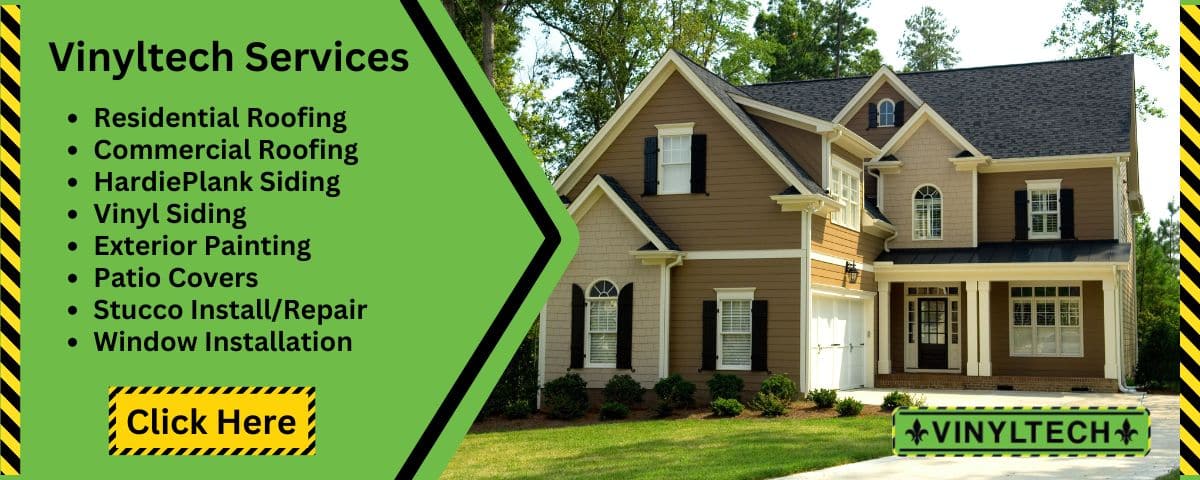
Our expertise doesn’t stop at the roofline. We understand that your home’s entire exterior works as a system. That’s why we also specialize in durable Gulf Coast vinyl siding and high-performance window installation and replacement. By integrating these components, we can create a complete, resilient, and energy-efficient shield for your home.
Secure Your Home Before the Next Storm Season
A roof that can survive the southern climate isn’t an accident or a matter of luck. It is the direct result of choosing the right materials, demanding expert installation, and partnering with a proven local roofing contractor who understands the stakes. Don’t leave your home’s safety to chance. Investing in a quality roof system is one of the most important investments you can make in your peace of mind.
Ready to ensure your New Orleans home is protected? Worried about your roof in Fort Myers? Contact the trusted experts at Vinyltech today for a free, no-obligation roof inspection and estimate. Let our 22 years of Gulf Coast experience work for you.