“`html
How Should Homeowners in New Orleans, Lake Charles, Panama City, or Fort Myers Assess Roof Damage Before Calling Insurance?
After a hurricane, assessing your roof damage thoroughly and safely is paramount before contacting your insurance company. Begin by prioritizing safety, extensively documenting all damage with photos and videos, and making temporary repairs if safe to prevent further issues. Crucially, consult a trusted roofing contractor like Vinyltech for a professional assessment and estimate to ensure you have comprehensive evidence and understanding of the necessary repairs.
Key Takeaways
- Prioritize Safety First: Always ensure your family and property are secure before attempting any damage assessment.
- Document Everything Extensively: Take clear, timestamped photos and videos of all damage, both interior and exterior, to support your claim.
- Perform Safe Temporary Repairs: Prevent further damage by covering exposed areas with tarps or plywood, but only if you can do so without risking injury.
- Understand Your Policy & Get Professional Help: Review your insurance policy, then contact a reputable roofing contractor like Vinyltech for a detailed assessment and estimate before officially filing your claim.
- Prepare a Comprehensive Package: Organize all documentation, including your damage log, photos, and contractor estimates, to present a strong case to your insurance provider.
Why is a Pre-Insurance Assessment Crucial for Gulf Coast Homeowners?
For homeowners in hurricane-prone regions like New Orleans, Lake Charles, Panama City, and Fort Myers, a thorough pre-insurance assessment of **roof damage** is not just a recommendation—it’s a critical step in protecting your home and your financial well-being.
- Protecting Your Claim: A comprehensive, well-documented assessment provides clear evidence of damage before any changes are made or an insurance adjuster arrives. This helps ensure you receive fair compensation for all necessary roof repair and replacement.
- Understanding Your Options: Knowing the full extent of your roof damage empowers you to make informed decisions. A professional roofing contractor can explain the damage severity and present the best solutions for your specific situation.
- Preventing Further Damage: Identifying issues early, especially in areas susceptible to severe weather, can prevent minor problems from escalating into major structural concerns. Prompt temporary repairs can mitigate additional water intrusion and costly secondary damage.
What Are the 15 Essential Steps for Assessing Hurricane Roof Damage?
Step 1: How Do You Prioritize Safety Above All Else?
- Ensure everyone is safe and accounted for; evacuate if necessary.
- Before approaching your home, check for immediate hazards such as downed power lines, gas leaks, or visible structural instability.
Step 2: How Do You Secure Your Property’s Immediate Surroundings?
- Once immediate danger has passed, clear debris from around your home’s perimeter.
- Be especially wary of standing water, which may hide sharp objects, electrical dangers, or chemical contaminants.
Step 3: How Do You Conduct a Ground-Level Visual Inspection of Your Roof?
- From a safe distance, walk around your home.
- Look for obvious signs of roof damage like missing shingles, dented gutters, or visible holes.
- Note any large debris on the roof or around the foundation that indicates impact points.
Step 4: How Do You Inspect Your Home’s Interior for Water Intrusion?
- Even if your roof looks intact from the outside, check ceilings, walls, and attics for water stains, drips, or mold.
- These are clear indicators of a compromised roof and active leaks.
- Move valuables and place buckets to catch any active leaks to minimize further damage.

Step 5: How Do You Document All Damage Extensively with Photos and Videos?
- Take clear, timestamped photos and videos of every angle of roof damage, both exterior and interior.
- Capture wide shots to show the overall context and close-ups to highlight the severity and specific location of issues.
- Documenting other property damage, such as fences or sheds, is also important.
Step 6: How Do You Create a Detailed Log of All Observed Damage?
In addition to visual documentation, write down specific descriptions of the damage. Include dates, times, and estimated dimensions of damaged areas. This log will be invaluable when discussing your claim with your roofing contractor and insurance company.
Step 7: Why Is It Important to Review Your Homeowner’s Insurance Policy?
- Understand your coverage limits, deductibles, and specific requirements for filing a hurricane claim.
- Pay attention to any deadlines for reporting damage or submitting documentation.
- This knowledge will guide your next steps effectively.
Step 8: How Do You Make Temporary Repairs to Prevent Further Damage (If Safe)?
- If you can safely do so, carefully place tarps over exposed areas of your roof to prevent further water intrusion.
- Only attempt temporary fixes if you can do so without risking injury.
- For extensive or high-level damage, it’s best to wait for professional help.
Step 9: How Do You Secure Loose or Damaged Siding and Windows?
- Check for damage to your vinyl siding installation and assess any window replacement needs.
- Board up broken windows or secure loose siding panels to prevent additional wind damage.
- Vinyltech also specializes in energy-efficient window installations and durable vinyl siding systems designed for the Gulf Coast.
Step 10: Why Should You Collect Receipts for All Emergency Repairs and Supplies?
Keep meticulous records of all expenses related to temporary repairs. This includes receipts for tarps, plywood, fasteners, and any labor costs. These costs may be reimbursable by your insurance provider, so accurate record-keeping is crucial.

Step 11: Why Should You Avoid Discarding Damaged Materials Until Instructed?
Unless absolutely necessary for safety, do not throw away damaged roofing materials, vinyl siding, or window frames. Your insurance adjuster may want to inspect these materials as part of their assessment.
Step 12: Why Get Multiple Professional Assessments and Estimates?
- Contact a reputable roofing contractor like Vinyltech, who specializes in storm-resistant roofing solutions for Gulf Coast conditions.
- Obtain detailed estimates for roof repair and replacement, as well as any necessary vinyl siding or window replacement.
- For homeowners in New Orleans, finding a trusted local roofing contractor is key.
Step 13: How Do You Understand the Scope of Work Required?
- Discuss the full extent of the damage and the recommended solutions with your chosen roofing contractor.
- Ensure their proposal includes all necessary repairs to restore your home’s integrity.
- Confirm that repairs meet local building codes, especially for hurricane resilience.
Step 14: How Do You Prepare a Comprehensive Package for Your Insurance Claim?
Organize all your documentation: photos, videos, your detailed damage log, receipts for emergency repairs, and contractor estimates. This comprehensive package will strongly support your claim when you eventually contact your insurance company.
Step 15: Why Consult with Your Chosen Roofing Contractor Before Calling Insurance?
- A trusted roofing contractor can help you understand the repair process and review your documentation.
- They can even assist in communicating with your insurance company.
- Vinyltech, as certified hurricane response specialists, can guide homeowners in New Orleans, Lake Charles, Panama City, and Fort Myers through this complex process, ensuring your home gets the care it needs.
What Should You Do After Documenting Your Roof Damage?
Once you’ve thoroughly documented your roof damage and gathered professional estimates, your next steps involve strategically moving forward with your claim.
- Review Contractor Estimates: Carefully compare the assessments and proposed solutions from different roofing contractors. Focus not just on price, but on the quality of materials, the contractor’s experience with hurricane damage, and their reputation.
- Understand Your Rights: Familiarize yourself with your rights as a policyholder during the claims process. Your insurance company has obligations to you, and knowing them can help you navigate potential challenges.
- Prepare for the Adjuster: Have all your organized documentation ready for when the insurance adjuster visits your property. Be prepared to walk them through the damage you’ve observed and share your contractor’s findings.
How Can Vinyltech Help with Your Hurricane Roof Repair and Replacement Needs?
When a hurricane strikes the Gulf Coast, the aftermath can be overwhelming. As your trusted partner, Vinyltech is here to help homeowners in Fort Myers, New Orleans, Lake Charles, and Panama City navigate the complexities of hurricane recovery.
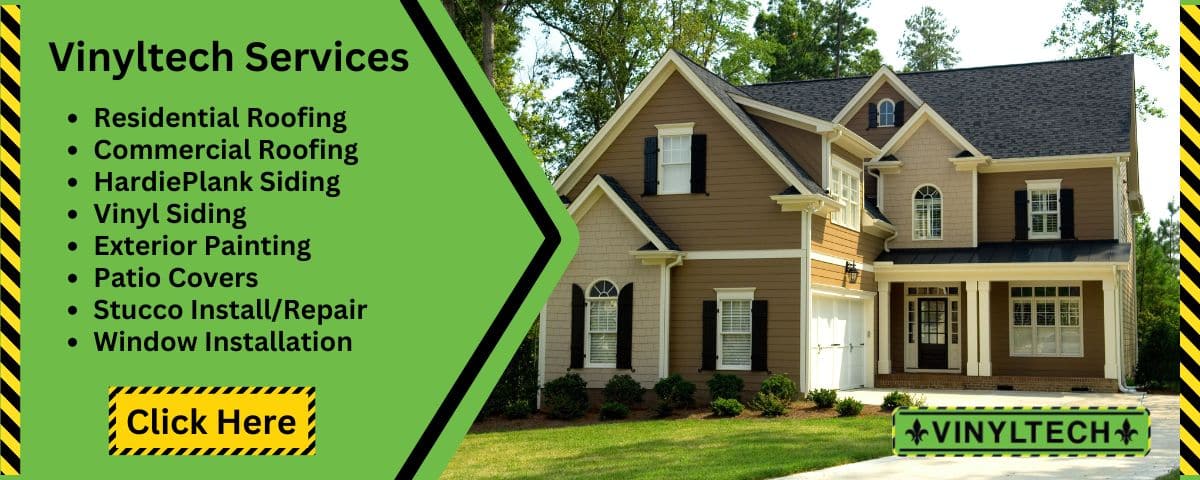
- Certified Hurricane Response Specialists: For over 22 years, Vinyltech has been the trusted roofing contractor for homeowners across the Gulf Coast. We specialize in storm-resistant roofing solutions that stand up to the unique challenges of our climate, ensuring your home is protected for years to come. Learn more about storm-resistant roofing for the Gulf Coast.
- Comprehensive Exterior Solutions: Beyond expert roof repair and replacement, we offer durable vinyl siding installation and energy-efficient window replacement. Our systems are designed for the unique challenges of the Gulf Coast, providing robust protection and enhancing your home’s resilience.
- Caring and Professional Guidance: Our team provides expert advice and support throughout the entire process, from initial assessment to final installation. We work with you to understand the full scope of damage, provide clear estimates, and ensure your home is restored with quality and care. Contact Vinyltech today for a professional, no-obligation inspection and estimate, and let us help you restore your peace of mind.
“`